


Color Bar Organization to Prevent Waste
Managing a salon's color bar efficiently is essential for controlling operational costs and reducing unnecessary product loss. Unused hair color left in mixing bowls or forgotten open tubes hidden in drawers represent a significant financial drain over time. By implementing a clear system for tube rotation and requiring digital scales for precise measuring, salons can minimize waste and streamline their daily workflow.
Implementing First-In, First-Out (FIFO) Tube Rotation
Open tubes of color deteriorate when exposed to oxygen, leading to oxidation, altered color performance, and eventual disposal. A systematic rotation protocol prevents open inventory from sitting unused.
-
Dedicated Open-Tube Trays: Designate clear, labeled trays or bins at the color bar specifically for opened tubes, organized by level and tonal series.
-
First-In, First-Out Rule: Always check the open-tube tray before opening a brand-new tube from the main stock.
-
Visible Marking: Require colorists to write the date of opening on the tube crimp with a permanent marker as soon as it is unsealed.
-
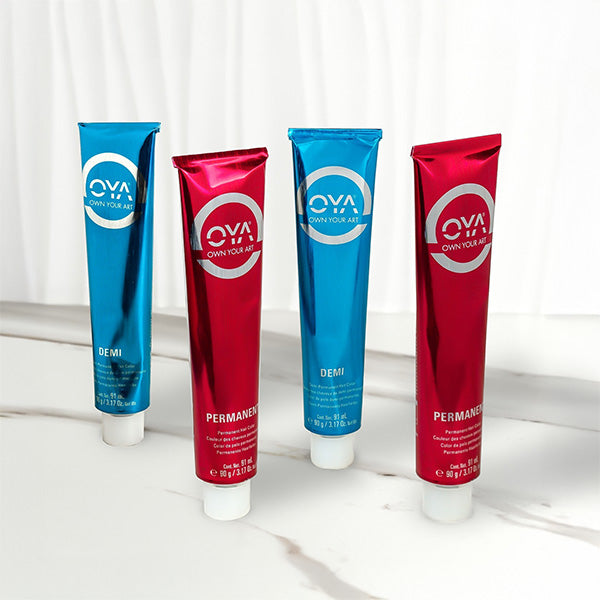
Tube Squeezers: Supply mechanical key squeezers at the dispensing station so that every gram of product is extracted before discarding a tube.
Precision Mixing with Digital Scales
Estimating color amounts by eye or relying on fluid ounce markings on shaker bottles inevitably leads to over-mixing. Transitioning to a strict weighing protocol ensures consistency and eliminates excess leftover product.
-
Gram-Based Measuring: Use digital scales set to grams rather than ounces for higher precision, especially when preparing small formulas for root touch-ups or targeted toning.
-
Formulation Tracking: Log the exact amount of color cream and developer used for every client service in their digital profile.
-
Targeted Formula Scaling: If a standard 60g formula consistently leaves 15g of waste in the bowl for a specific client, adjust their baseline formula to 45g for future visits.
-
Re-Weighing Residual Waste: Periodically weigh the leftover product remaining in bowls before cleaning them to help staff visually understand and correct over-mixing habits.
Establishing these simple habits creates a cleaner color bar environment, keeps product performance reliable, and ensures maximum profitability on every color service.