
Hydration, Nutrition, and Reconstruction: What Your Client's Hair Actually Needs
In the salon, terms like moisturizing, nourishing, and repairing are often used interchangeably. However, treating every dry or damaged head of hair with the same deep conditioner frequently leads to disappointing results—such as limp, weighed-down strands or hair that feels stiff and brittle.
Healthy hair relies on a precise balance of three core elements: water, lipids, and proteins. Understanding the true difference between hydration, nutrition, and reconstruction allows stylists to diagnose a client's exact hair needs and prescribe targeted treatments that deliver immediate, lasting results.
1. Hydration: Restoring Water Balance
Hydration focuses exclusively on replenishing moisture inside the hair fiber. Even virgin hair loses water daily due to environmental exposure, low humidity, frequent washing, and indoor heating or air conditioning.
-
What It Does: Humectant ingredients attract and bind water molecules within the cortex, keeping the hair flexible, soft, and easy to detangle.
-
Key Ingredients: Glycerin, panthenol (provitamin B5), aloe vera, hyaluronic acid, and sorbitol.
-
Signs Your Client Needs Hydration: The hair feels dry to the touch, lacks natural shine, tangles easily when dry, and appears dull or slightly rough without showing signs of extreme breakage.
2. Nutrition: Replenishing Lipids and Oils
Nutrition is about restoring the natural oils and fatty acids that form the hair's protective outer barrier. Heat styling, chemical services, and aggressive shampoos strip away this lipid layer, leaving the cuticle scales raised and unable to hold onto internal moisture.
-
What It Does: Emollients and natural lipids coat and seal the cuticle, smoothing down frizz, locking in hydration, and restoring natural movement and luster.
-
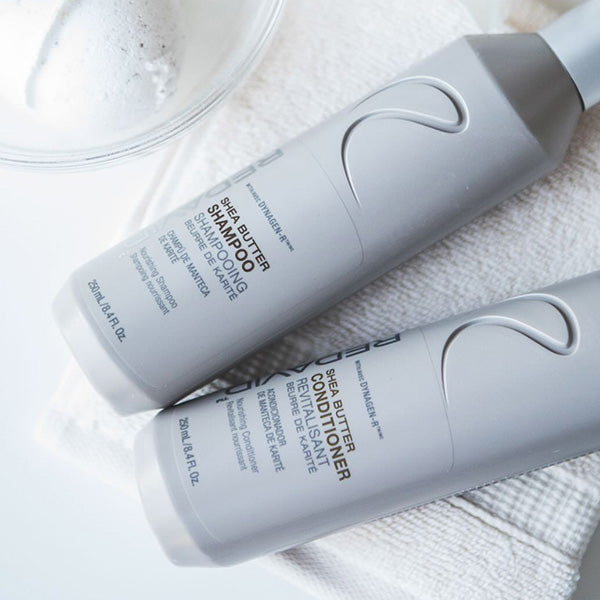
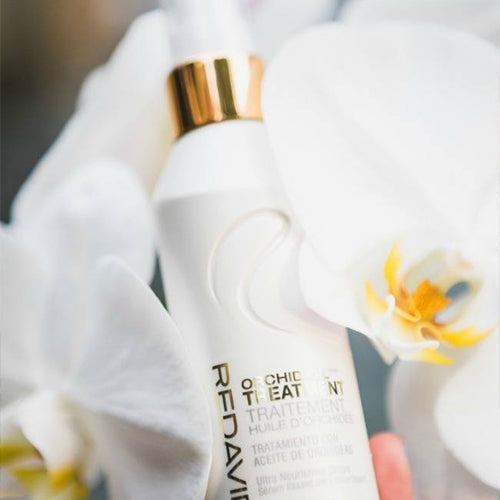
Key Ingredients: Argan oil, orchid oil, shea butter, coconut oil, jojoba oil, and ceramides.
-
Signs Your Client Needs Nutrition: The hair is frizzy, puffy, unruly, or lacks definition. It often feels coarse or porous because the cuticle is open, allowing moisture to escape into the air as soon as the client leaves the salon.
3. Reconstruction: Rebuilding Protein Structure
Reconstruction is the most intensive treatment category, designed specifically for hair whose internal keratin structure has been compromised by bleaching, high-lift color, perms, or excessive thermal damage.
-
What It Does: Hydrolyzed proteins and amino acids penetrate the damaged cortex to fill structural gaps, reinforce weakened bonds, and restore tensile strength.
-
Key Ingredients: Hydrolyzed keratin, silk amino acids, collagen, wheat or soy protein, and cysteine.
-
Signs Your Client Needs Reconstruction: The hair feels overly stretchy or gummy when wet, snaps easily when brushed, shows visible split ends, or struggles to hold a curl or style.
4. How to Diagnose at the Styling Chair
Before heading to the backbar, perform a quick tactile check on a damp strand of hair during the consultation:
-
The Elasticity Stretch Test: Gently pull a single wet strand between your fingers. If it stretches excessively without bouncing back or snaps immediately, the hair lacks structural protein and requires reconstruction.
-
The Porosity Slide Test: Slide your fingers up the hair shaft from the ends toward the roots. If the strand feels rough, bumpy, or creates friction, the lipid layer is depleted and the hair needs nutrition to seal the cuticle.
-
The Dryness Check: If the hair has good elasticity and a relatively smooth cuticle, yet feels stiff, static-prone, or dull, it simply needs hydration to restore internal water balance.
Avoiding Treatment Overload
Prescribing the wrong treatment—or overusing a heavy formula—can create new problems. Applying protein-heavy reconstruction masks to healthy hair that only needs water will cause protein overload, leaving the hair rigid and prone to snapping. Conversely, applying heavy oils to severely bleached hair without rebuilding its protein core first will only mask the damage temporarily while the hair continues to break. By matching the treatment to the specific deficiency, you ensure every client leaves the chair with balanced, resilient, and luminous hair.