



Soft Bronde and Lived-In Colour: Why These Are Practical Choices Across Demographics
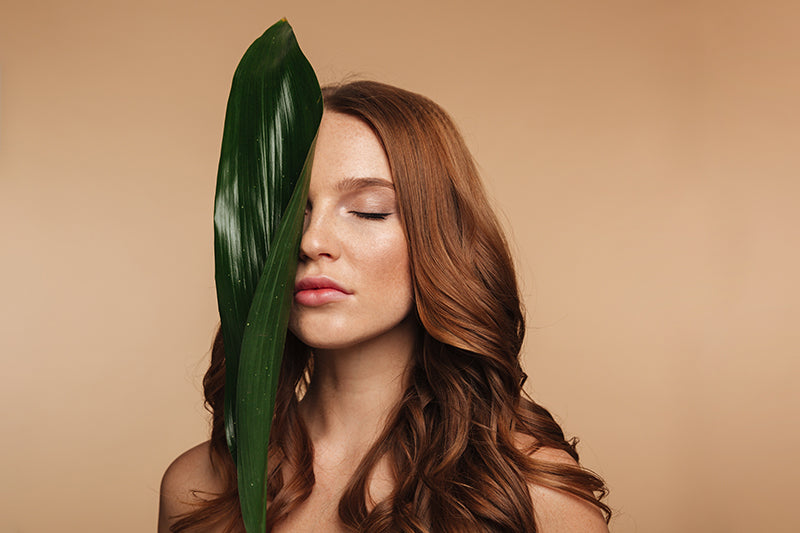
Soft bronde and lived-in colour have become consistent service requests not because they are fashionable, but because they solve multiple challenges that appear across age groups, hair types, and lifestyles. These colour approaches offer balance between depth and lightness, making them adaptable to a wide range of clients without requiring high maintenance.
Why Bronde Works Across Different Client Profiles
Bronde sits between blonde and brunette, allowing stylists to adjust depth and brightness without committing the client to dramatic contrast. This flexibility makes it suitable for clients transitioning lighter or darker, as well as those maintaining an existing level with minor seasonal adjustments.
For younger clients, soft bronde provides dimension without over-processing. For mature clients, it offers brightness without exposing regrowth or emphasizing contrast at the root. Because the base depth remains supportive, the colour maintains a cohesive appearance as it grows out.
Lived-In Colour and Maintenance Realities
Lived-in colour is designed with maintenance frequency in mind. Clients across demographics are extending time between visits due to schedule constraints, budget considerations, or lifestyle changes. Colour services that rely on strong contrast or frequent toning tend to degrade quickly under these conditions.
By incorporating gradual transitions and softened placement, lived-in colour reduces visible regrowth lines and uneven fading. This allows clients to maintain a professional appearance longer without feeling overdue for service.
Adaptability Across Hair Types and Textures
Soft bronde and lived-in colour perform well on fine, medium, and dense hair because they rely on tonal variation rather than extreme lightness. On fine hair, they add visual depth without compromising integrity. On thicker or textured hair, they prevent blocky lightening patterns and help colour read more evenly through movement.
This adaptability is particularly important in multi-ethnic service menus, where hair density, porosity, and curl pattern vary widely.
Age-Inclusive Without Being Age-Defined
One of the reasons these colour approaches span demographics is that they are not visually coded to a specific age group. They avoid extremes—neither overly dramatic nor overly muted—which allows them to feel appropriate in professional, casual, and transitional life stages.
Clients navigating greying hair also benefit from soft bronde strategies, as blended depth can help integrate natural pigment shifts without requiring aggressive coverage or frequent touch-ups.
Salon Efficiency and Predictable Outcomes
From a salon perspective, these services reduce corrective work and tonal adjustments. Because the colour design anticipates fade and regrowth, results remain consistent longer. This improves scheduling predictability and client satisfaction, particularly for stylists managing high appointment volume.
Soft bronde and lived-in colour also simplify consultation conversations. Rather than focusing on exact shade selection, discussions shift toward maintenance expectations and long-term appearance.
Why These Approaches Will Remain Relevant
As colour services continue to prioritize longevity and realism, soft bronde and lived-in colour align with broader industry movement toward sustainable, low-stress maintenance. Their practicality lies in how well they adapt—not only to hair characteristics, but to changing client behaviors.
These are not temporary solutions or trend-driven looks. They are design approaches that accommodate real-world wear, making them dependable options across demographics.